
Introduction
Water is the foundation of life—yet today, it is becoming one of the world’s scarcest resources. From drying rivers and shrinking groundwater tables to urban water shortages and agricultural stress, water scarcity is no longer a future threat. It is a present-day reality.
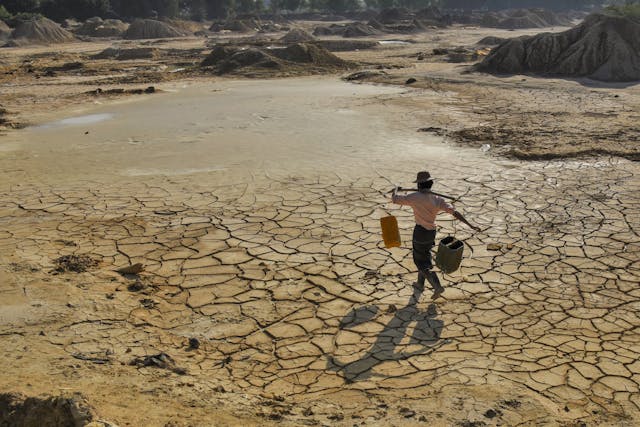
At the same time, the way societies manage water will define their ability to grow sustainably. Water scarcity and sustainability are deeply connected, and how we respond now will determine environmental stability, economic growth, and human well-being for generations to come.
Understanding Water Scarcity
Water scarcity occurs when the demand for freshwater exceeds its available supply in a region. It is not only about lack of rainfall—it is also about how water is managed, distributed, and consumed.
Water scarcity can be:
- Physical – when natural water sources are insufficient
- Economic – when water exists but infrastructure and governance are inadequate
Both forms are increasingly common across the world.
Why Water Scarcity Is Increasing
Several interconnected factors are accelerating the global water crisis:
Climate Change
Changing rainfall patterns, rising temperatures, and prolonged droughts reduce freshwater availability and increase evaporation.
Population Growth and Urbanization
Rapid population growth and expanding cities increase water demand for drinking, sanitation, and industry.
Agriculture and Food Production
Agriculture consumes nearly 70% of global freshwater. Inefficient irrigation and water-intensive crops worsen scarcity.
Industrial Use and Pollution
Industrial discharge and untreated wastewater contaminate water bodies, reducing usable freshwater supplies.
Poor Water Management
Leakages, over-extraction of groundwater, and lack of conservation planning intensify scarcity even in water-rich regions.
The Link Between Water Scarcity and Sustainability
Sustainable development requires balancing our current demands with the long-term viability of future societies. Water management is the primary pillar upon which this stability rests.
When water is mismanaged:
- Ecosystems collapse
- Food security weakens
- Public health risks rise
- Economic inequality grows
Sustainable water management ensures that water use today does not destroy tomorrow’s availability.
Impacts of Water Scarcity
Environmental Impact
Drying rivers, wetlands, and lakes threaten biodiversity and disrupt natural ecosystems.
Social Impact
Communities—especially women and children—often travel long distances for water, affecting education and quality of life.
Economic Impact
Industries, agriculture, and energy production suffer disruptions, leading to job losses and rising costs.
Health Impact
Lack of clean water increases waterborne diseases and sanitation-related health issues.
Sustainable Solutions to Water Scarcity
Water Conservation
Reducing wastage through efficient fixtures, leak detection, and mindful consumption is the first step toward sustainability.
Sustainable Agriculture
Techniques such as drip irrigation, rainwater harvesting, and crop selection based on local water availability reduce water stress.
Wastewater Treatment and Reuse
Treating and reusing wastewater for industrial and agricultural purposes reduces dependence on freshwater sources.
Rainwater Harvesting
Capturing and storing rainwater helps recharge groundwater and provides alternative water sources.
Integrated Water Management
Managing surface water, groundwater, and wastewater together ensures balanced and long-term water use.
The Role of Technology
Modern technology is transforming water sustainability through:
- Smart water meters and monitoring systems
- Data-driven water management
- Desalination and advanced filtration technologies
- Predictive models for drought and demand planning
Technology enables proactive solutions rather than crisis response.
Individual and Community Responsibility
Water sustainability is not only a government or industrial responsibility—it starts at the individual level.
Simple actions such as:
- Fixing leaks
- Reducing water-intensive habits
- Supporting water-conscious policies
- Raising awareness
can collectively make a significant impact.
The Way Forward
Water scarcity is not just an environmental issue—it is a development, health, and equity issue. Addressing it requires cooperation between governments, industries, communities, and individuals.
Sustainability demands a shift from extraction to conservation, from short-term use to long-term stewardship, and from reactive measures to preventive planning.
Conclusion
Water insecurity is no longer a distant threat; it is a primary hurdle for our generation. But it is also an opportunity—an opportunity to rethink how we value, use, and protect our most precious resource.
A sustainable future is impossible without sustainable water management.
The choices we make today—how we consume water, how we protect ecosystems, and how we plan for growth—will determine whether future generations inherit scarcity or security.
Water saved today is life secured tomorrow.