Introduction
Air Pollution Effects : Air is the most basic requirement for life. Every moment, every cell in the human body depends on clean air for survival. Yet, the very air that sustains life is becoming increasingly polluted due to rapid industrialization, urbanization, and modern lifestyles. What once symbolized purity and vitality is now turning into a silent threat.
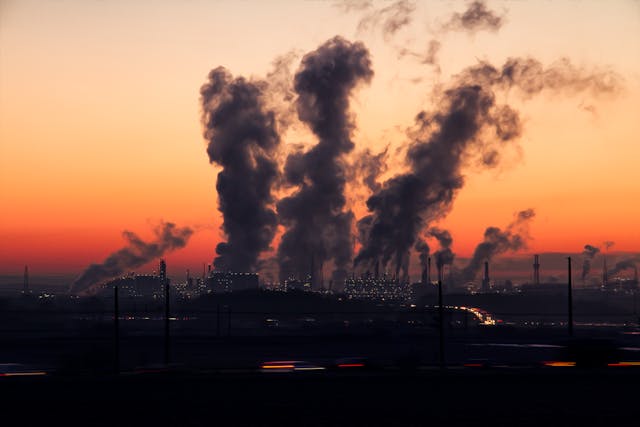
Air pollution is no longer just an environmental issue—it has become a public health crisis, an economic burden, and a global sustainability challenge. From cities to villages, from indoor kitchens to industrial zones, polluted air is affecting ecosystems, human health, and future generations in ways that were unimaginable a few decades ago.
The Scale of Air Pollution
Air pollution has reached alarming levels across the world, especially in developing countries where economic growth often comes with environmental cost. Fine particles and toxic gases remain suspended in the atmosphere, making them invisible yet extremely dangerous.
Shocking Reality:
Human exposure to polluted air affects billions of people globally.
Millions of premature deaths each year are linked to air pollution-related diseases.
Major cities frequently experience smog episodes that disrupt normal life.
Indoor air pollution continues to impact rural populations through traditional cooking fuels.
Pollutants such as PM2.5 and PM10 enter the bloodstream, affecting multiple organs.
Air pollution is not confined to urban areas—it is spreading across the global environment.
How Air Pollution Affects Ecosystems
Air pollution disrupts natural systems and environmental balance.
1. Climate and Atmospheric Changes
Pollutants such as carbon dioxide, methane, and black carbon contribute to global warming and climate change. These changes affect rainfall, temperature patterns, and agricultural productivity.
2. Damage to Crops and Agriculture
Ozone and other pollutants reduce crop yield and food quality. This directly impacts farmers and food security.
3. Acid Rain and Soil Degradation
Industrial emissions lead to acid rain, which damages soil fertility, forests, and freshwater ecosystems.
Air pollution is not just harmful to human beings—it threatens the entire ecological chain.
The Human Health Connection
Scientific research confirms that air pollution affects almost every organ in the body.
Potential health risks include:
Conditions affecting the pulmonary system, including chronic bronchial inflammation, asthma, and various lung-based infections.
Cardiovascular disorders including heart attack and stroke
Lung cancer and chronic obstructive pulmonary disease (COPD)
Reduced immunity and increased vulnerability to infections
Adverse pregnancy outcomes and child development issues
Long-term exposure can reduce life expectancy and overall quality of life.
Mental and Social Impact
Emerging studies indicate that polluted air also affects mental health.
Possible impacts include:
Cognitive decline
Stress and anxiety
Reduced concentration and productivity
Behavioral and emotional disturbances in children
This means air pollution is not only affecting physical health—it is influencing emotional well-being and societal productivity.
Why Air Pollution Continues to Grow
Despite awareness, air pollution is increasing due to multiple factors.
1. Rapid Urbanization and Industrialization
Economic growth often prioritizes productivity over environmental safety.
2. Dependence on Fossil Fuels
Coal, oil, and diesel remain dominant energy sources worldwide.
3. Transport and Vehicle Emissions
Growing vehicle population contributes significantly to pollution.
4. Agricultural and Waste Burning
Crop residue and waste burning release harmful gases.
5. Weak Environmental Enforcement
Inadequate regulations and monitoring worsen the problem.
The issue is not development itself—but the lack of sustainable development.
Innovative Solutions to Air Pollution
Addressing air pollution requires coordinated action across sectors.
1. Clean and Renewable Energy
Solar, wind, and green hydrogen can reduce dependence on fossil fuels.
2. Sustainable Transportation
Electric vehicles, public transport, and urban planning can reduce emissions.
3. Smart Agriculture
Modern farming practices can eliminate residue burning.
4. Urban Green Infrastructure
Trees, green belts, and sustainable cities improve air quality.
5. Individual Responsibility
Reducing energy consumption, avoiding waste burning, and supporting eco-friendly choices create collective impact.
The Role of Industry and Technology
Industries and entrepreneurs play a critical role in solving air pollution.
Emerging innovations include:
Carbon capture technologies
Clean manufacturing processes
Air purification and monitoring systems
Digital and AI-based pollution tracking
Circular economy models
Sustainability is becoming a competitive advantage and a necessity for long-term growth.
A Collective Responsibility
Air pollution cannot be solved by governments alone. It requires collaboration among:
Policymakers
Industries
Scientists and innovators
Communities
Citizens
Every action—from policy to personal behavior—contributes to cleaner air.
Conclusion
Air Pollution Effects: Atmospheric contamination represents a critical environmental crisis in the modern era. It reflects how rapid development without sustainability can create long-term consequences for health, economy, and ecosystems. However, it also offers an opportunity to transform our energy systems, redesign cities, and adopt sustainable lifestyles.
The right to breathe clean air is a foundational human necessity, not a secondary privilege. Protecting air quality means protecting life, productivity, and the future of the planet.
Final Thought
Air Pollution Effects: Air pollution may be invisible, but its impact is profound. The crisis we face today is the result of human choices—and it can also be solved through human innovation, awareness, and responsibility.
The future we breathe tomorrow depends on the actions we take today.