Introduction:
Setting up a Greenfield pharmaceutical manufacturing plant is a high-stakes, high-reward project that demands strategic vision, regulatory knowledge, and deep industry expertise. Whether you’re an investor, CXO, or project head, this guide walks you through each critical phase of establishing a successful, compliant, and future-ready pharma facility from the ground up.
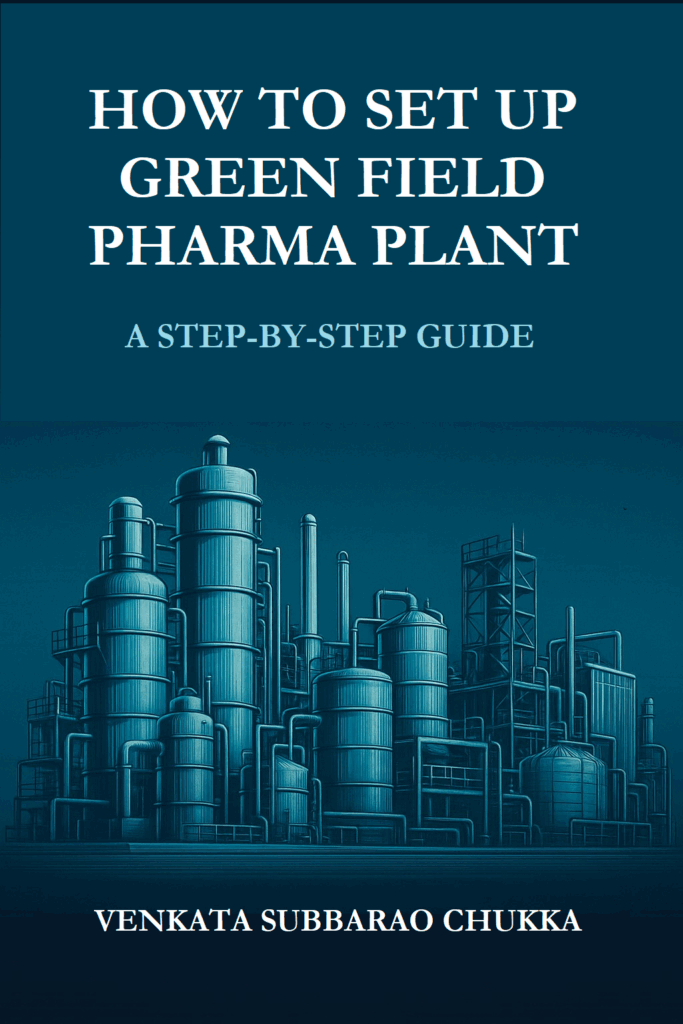
What Is a Greenfield Pharma Plant?
A Greenfield project refers to the construction of a new facility on an undeveloped site, where there are no existing buildings, utilities, or infrastructure. In the pharmaceutical industry, this means building a facility from scratch — tailored to your product portfolio, regulatory needs, and growth vision.
Why Go Greenfield?
Full control over layout and scalability
Modern infrastructure & automation readiness
Clean slate for regulatory compliance
Custom-built for market-specific API or formulation needs
Step-by-Step Guide to Setting Up a Greenfield Pharma Plant
- Define Your Vision and Business Goals
Before laying a single brick, outline:
- Therapeutic segments (e.g., APIs, formulations, injectables)
- Regulatory markets (USFDA, EU-GMP, WHO, etc.)
- Target production capacities
- Budget, ROI timeline, and risk appetite
Tip: Align plant design with long-term business strategy and market trends, such as CDMO demand, biologics, or green chemistry.
- Conduct Feasibility Studies
Feasibility is not just financial — it includes:
- Location analysis: Accessibility, manpower availability, logistics
- Utility availability: Water, electricity, ETP/STP requirements
- For land procurement: Verify industrial designation, unclouded ownership, and absence of liens.”
- Technology assessment: In-house vs. licensing vs. CDMO routes
- Master Planning & Conceptual Design
This is the blueprint of your dream facility. Engage experienced consultants for:
- Block-wise zoning (production, QA/QC, warehouse, admin, utilities)
- Regulatory-compliant layouts (material/personnel flow, HVAC zoning)
- Modular scalability planning
- Future-proofing for expansion or automation
Key Deliverables: URS, PFDs, site master plan, basic architectural drawings.
- Regulatory and Environmental Approvals
Compliance starts on Day 1. Obtain:
- Environmental Clearance (EC)
- Consent for Establishment (CFE) from PCB
- Factory license, fire NOC, and local body permissions
- Regulatory Pre-Consultation: Align with CDSCO, USFDA, or EUGMP norms if exporting
- Detailed Engineering & Procurement (EPCM Phase)
This includes:
- P&IDs, HVAC, utility line diagrams, ETP/ZLD systems
- BOQ preparation for civil, electrical, HVAC, and process equipment
- Vendor finalization and cost estimation
- Technology selection (batch vs continuous, automation level)
Bonus Tip: Opt for sustainable designs – solar power, zero liquid discharge, solvent recovery units.
- Construction, Fabrication & Commissioning
Implement stringent project management guidelines, incorporating tools such as Gantt charts, MS Project, and Primavera.
- Civil construction and structure completion
- Equipment delivery, installation & utility hookup
- Commissioning of critical systems (AHU validation, BMS, HVAC, ETP)
- Safety system installation (fire, CCTV, access control)
- QA Setup & Documentation
You’re now preparing for GMP:
- Establish QA/QC teams early
- Start SOP, URS, and validation protocol development
- Equipment IQ/OQ/PQ schedules
- Document design qualification (DQ), FAT/SAT reports
- Trial Batches, Validation & Regulatory Filing
Run trial and validation batches for:
- Process validation
- Cleaning validation
- HVAC qualification
- Micro & environmental monitoring
Then file regulatory dossiers (e.g., USDMF, EU CEP, CTD formats).
- Hiring & Training Your Team
A plant is only as good as its people. Focus on:
- The essential roles encompass core operational duties, quality assurance, quality control, engineering, safety management, and environmental, health, and safety responsibilities.
- Training on GMP, SOPs, and process workflows
- Cultural alignment for quality mindset and compliance discipline
- Go-Live & Continuous Improvement
Once approved, scale batch production, stabilize yields, and:
- Monitor KPIs (OEE, yield, compliance, cost)
- Prepare for inspections (internal and external)
- Embrace digital tools – MES, LIMS, QMS
- Drive continuous improvement (lean, Six Sigma, Kaizen)
Bonus: Typical Greenfield Project Timeline
| Phase | Estimated Timeframe |
| Estimated Timeframe | 2–3 months |
| Approvals & Land Development | 3–6 months |
| Engineering & Procurement | 4–6 months |
| Construction & Installation | 6–8 months |
| Commissioning & Validation | 3–4 months |
| Total Time to Market | 18–24 months |
Final Thoughts
Setting up a Greenfield pharma plant is a monumental task — but one that can define your organization’s legacy for decades. Whether you’re manufacturing critical APIs or cutting-edge biologics, the key lies in planning meticulously, executing with excellence, and always thinking compliance-first.
If you’re exploring this journey, remember: the right guidance, documentation, and mindset can convert even the most complex project into a world-class success story.
Need Expert Guidance?
If you’re planning to build or scale a Greenfield pharma project and need help with conceptual design, regulatory compliance, or project documentation, let’s connect.
Drop a message or comment below — your pharmaceutical vision deserves expert execution.
Buy Now