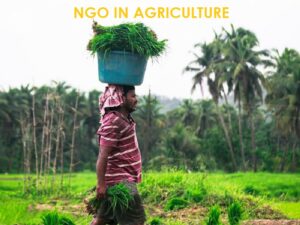
Introduction:
Top 10 NGO in India: India is home to thousands of Non-Governmental Organizations (NGOs) working across education, healthcare, rural development, environment, women empowerment, and social justice. While many organizations do impactful work, a few stand out for their scale, transparency, longevity, and measurable social impact.
Below is a curated list of 10 well-known NGOs in India, recognized for their consistent contribution to social development.
Note: This list is not a ranking. NGOs are listed based on public impact, reach, and recognition.

1. Tata Trusts
Focus Areas: Education, healthcare, rural livelihoods, water & sanitation
One of India’s oldest and most influential philanthropic organizations, Tata Trusts supports large-scale initiatives across multiple sectors, partnering with governments and institutions for systemic change.
2. Akshaya Patra Foundation
Focus Areas: Child nutrition, education
Known for running the world’s largest mid-day meal program, Akshaya Patra ensures nutritious meals for millions of schoolchildren, improving both health and school attendance.
3. CRY – Child Rights and You
Focus Areas: Child rights, education, protection
CRY works to ensure that underprivileged children have access to education, healthcare, and protection from exploitation, focusing strongly on policy advocacy and grassroots change.
4. Pratham
Focus Areas: Education, learning outcomes
Pratham is internationally recognized for improving foundational learning in children through innovative programs and the widely cited Annual Status of Education Report (ASER).
5. SEWA
Focus Areas: Women empowerment, livelihoods
SEWA supports self-employed women by strengthening economic independence, access to financial services, and social security, especially in the informal sector.
6. Goonj
Focus Areas: Rural development, disaster relief
Goonj is known for its innovative “clothes as material” model, converting urban surplus into resources for rural development and disaster rehabilitation.
7. Smile Foundation
Focus Areas: Education, healthcare, women empowerment
Smile Foundation works directly with communities across India, focusing on children’s education and health through grassroots interventions.
8. HelpAge India
Focus Areas: healthcare, advocacy
HelpAge India addresses the needs of India’s aging population through healthcare services, social security advocacy, and elder rights awareness.
9. Teach For India
Focus Areas: Education, leadership development
Teach For India brings talented graduates into classrooms to address educational inequity while developing future leaders committed to social change.
10. CARE India
Focus Areas: Poverty alleviation, women empowerment, health
CARE India works across multiple states, focusing on sustainable development programs, gender equality, and community resilience.
Why NGOs Matter in India
NGOs play a critical role in:
- Reaching underserved populations
- Implementing grassroots solutions
- Supporting government initiatives
- Driving social innovation
- Creating long-term community impact
Their work complements public systems and often reaches areas where formal structures struggle.
How to Support NGOs
You can contribute by:
- Donating responsibly
- Volunteering time or skills
- Supporting CSR partnerships
- Spreading awareness
- Monitoring transparency and impact
Even small contributions can create meaningful change.
Conclusion
India’s social challenges are complex and diverse—but so are the solutions. The NGOs listed above demonstrate how commitment, innovation, and integrity can transform lives at scale.
Supporting credible NGOs is not just charity—it is an investment in a more equitable and sustainable future.