
Introduction
When people hear the word chemical engineer, many imagine someone working only in a laboratory mixing chemicals. In reality, a chemical engineer is much more than that. A chemical engineer is a problem-solver, innovator, and system designer who plays a vital role in powering modern industries—from pharmaceuticals and energy to food, electronics, and sustainability.
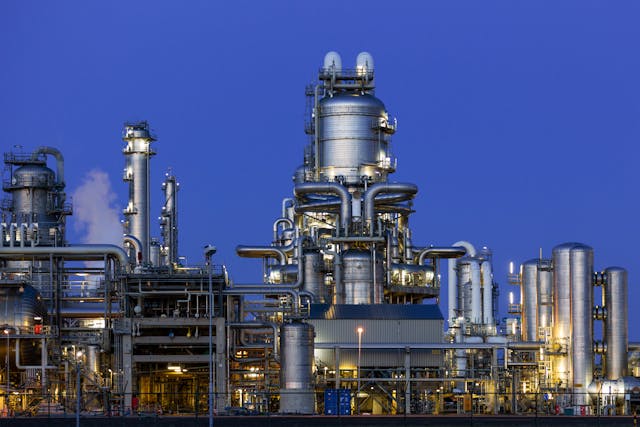
In today’s fast-changing world, chemical engineers are not just engineers; they are enablers of progress.
What Is a Chemical Engineer?
A chemical engineer is a professional who applies principles of chemistry, physics, mathematics, biology, and engineering to design, scale up, operate, and optimize processes that convert raw materials into useful products—safely, efficiently, and sustainably.
Simply put:
A chemist discovers reactions.
A chemical engineer makes them work at industrial scale.
What Does a Chemical Engineer Actually Do?
A chemical engineer focuses on the entire lifecycle of a process, not just the reaction itself.
Key responsibilities include:
- Designing industrial processes and equipment
- Scaling up laboratory reactions to commercial production
- Optimizing yield, quality, cost, and energy usage
- Ensuring safety, compliance, and environmental protection
- Solving production problems and improving efficiency
Chemical engineers think in terms of systems, not isolated steps.
Industries Where Chemical Engineers Work
1. Pharmaceuticals & Healthcare
Chemical engineers are critical in API manufacturing, formulation, scale-up, GMP compliance, and quality systems. Every tablet, injection, or vaccine relies on chemical engineering precision.
2. Chemical & Specialty Manufacturing
From solvents and polymers to agrochemicals and fine chemicals, chemical engineers ensure high purity, safety, and productivity.
3. Energy & Sustainability
Chemical engineers drive innovation in:
- Green hydrogen
- Biofuels
- Carbon capture
- Battery materials
- Energy-efficient processes
4. Environment & Water Management
Designing wastewater treatment plants, solvent recovery systems, and ZLD (Zero Liquid Discharge) facilities is a core chemical engineering domain.
5. Food, Materials & Consumer Products
Food processing, cosmetics, detergents, paints, plastics, and packaging industries all rely heavily on chemical engineers.
Core Skills of a Chemical Engineer
A successful chemical engineer blends technical expertise with practical thinking:
- Unit operations & unit processes
- Heat and mass transfer
- Chemical reaction engineering
- Process design and scale-up
- Process safety & HAZOP
- Cost optimization and energy efficiency
- Regulatory and compliance knowledge
Above all, chemical engineers are trained to balance performance, safety, cost, and sustainability.
Why Chemical Engineers Are in High Demand
The world is facing major challenges:
- Climate change
- Clean energy transition
- Water scarcity
- Affordable healthcare
- Sustainable manufacturing
Chemical engineers sit at the intersection of these challenges and their solutions. Industries need professionals who can convert scientific ideas into large-scale, safe, and economical reality—and that is exactly what chemical engineers do.
Career Opportunities for Chemical Engineers
Modern chemical engineering careers extend far beyond traditional plant roles:
- Process & production engineering
- Project & plant design
- Technical services & scale-up
- Quality assurance & regulatory roles
- Sustainability & ESG leadership
- Consulting & freelancing
- Digital manufacturing & AI-driven operations
A chemical engineering degree opens doors to diverse, long-term career paths.
The Future of Chemical Engineers
The chemical engineer of the future will be:
- Sustainability-focused
- Digitally skilled (AI, data analytics, automation)
- Regulation-aware
- Business-oriented
Chemical engineers will not just run plants—they will design the future of manufacturing.
Conclusion
A chemical engineer is far more than someone who works with chemicals. They are architects of industrial systems, guardians of safety, champions of sustainability, and drivers of innovation.
From life-saving medicines to clean energy and environmental protection, chemical engineers quietly shape the world we live in every day.
If society needs smarter processes, safer products, and a sustainable future—chemical engineers are essential.