
Introduction
Plastic Pollution: Plastic has transformed human life. It made products affordable, packaging safer, and industries more efficient. Yet, the same material that revolutionized convenience is now creating one of the biggest environmental challenges in human history.
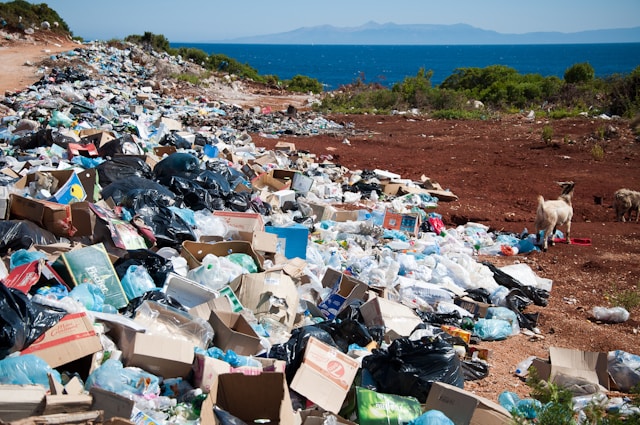
Plastic pollution is no longer just an environmental concern—it is a public health issue, an economic threat, and a global sustainability crisis. From oceans and rivers to soil, air, and even the human body, plastic is silently reshaping ecosystems and threatening the future of life on Earth.
The Scale of Plastic Pollution
Every year, millions of tons of plastic waste enter the environment. Plastic is notoriously resilient, failing to decay in the same manner as biological materials. Instead, it breaks into smaller fragments called microplastics, which persist for hundreds of years.
Shocking Reality:
- Humanity generates a staggering 400 million tons of plastic on an annual basis.
- Nearly 50% of plastic is single-use.
- Annual mortality rates for marine wildlife reach into the millions as a direct result of ingesting or becoming ensnared in plastic litter.
- Tiny plastic fragments have transitioned from environmental pollutants to internal contaminants found in our water and bloodstreams.
Plastic pollution is not confined to landfills—it has entered the global ecological cycle.
How Plastic Pollution Affects Ecosystems
Plastic waste disrupts ecosystems in multiple ways.
1. Marine Ecosystem Damage
Marine animals often mistake plastic for food. This leads to starvation, injury, or death. Coral reefs and underwater habitats are also damaged by plastic debris.
2. Soil and Agricultural Impact
Plastic waste in soil reduces fertility and disrupts beneficial microorganisms essential for plant growth.
3. Air Pollution
Burning plastic releases toxic chemicals, contributing to respiratory diseases and environmental contamination.
Plastic pollution is not just visible waste—it is an ecosystem disruptor.
The Human Health Connection
Recent research has revealed that microplastics are entering human bodies through food, water, and air.
Potential health risks include:
- Hormonal disruptions
- Immune system impact
- Respiratory complications
- Possible links to chronic diseases
Although long-term impacts are still being studied, scientists warn that plastic pollution could become a major public health challenge.
Why Plastic Pollution Continues to Grow
Plastic pollution persists due to several interconnected factors:
1. Overproduction of Single-Use Plastics
Convenience-driven lifestyles encourage disposable products.
2. Weak Waste Management Systems
Many developing regions lack proper recycling infrastructure.
3. Low Public Awareness
Consumers often underestimate the environmental impact of plastic use.
4. Economic Dependency
Plastic is inexpensive and widely used across industries, making alternatives slower to adopt.
The problem is not plastic itself—but how society produces, uses, and disposes of it.
Innovative Solutions to Plastic Pollution
The fight against plastic pollution requires innovation, policy change, and behavioral transformation.
1. Biodegradable and Sustainable Alternatives
New materials made from plants, algae, and natural polymers are reducing reliance on traditional plastics.
2. Advanced Recycling Technologies
Modern recycling processes can convert plastic waste into fuel, textiles, and reusable raw materials.
3. Policy and Government Regulations
Many countries are banning single-use plastics and promoting sustainable packaging.
4. Community and Individual Actions
Small changes—like using reusable bags, bottles, and containers—create large environmental impact when adopted widely.
The Role of Industry and Technology
Industries are now exploring:
- Circular economy models
- Plastic reduction manufacturing techniques
- Smart packaging technologies
- AI-driven waste sorting systems
Sustainability is no longer optional—it is becoming a business and survival necessity.
A Collective Responsibility
Plastic pollution cannot be solved by governments or industries alone. It requires collaboration between:
- Policymakers
- Businesses
- Scientists
- Communities
- Consumers
Every purchase decision, disposal habit, and sustainability choice contributes to the larger environmental outcome.
Conclusion
The crisis of plastic waste has emerged as a cornerstone of modern environmental struggle. It reflects how convenience-driven lifestyles can create long-term ecological consequences. However, it also presents an opportunity—an opportunity to redesign production systems, innovate sustainable materials, and rebuild our relationship with the environment.
Reducing plastic pollution is not about sacrificing convenience—it is about creating smarter, cleaner, and more responsible ways to live.
The future of our oceans, ecosystems, and health depends on the choices we make today.
Final Thought
The problem of plastic pollution was created by humans—and that means it can also be solved by humans. Through awareness, innovation, and collective responsibility, we can transform plastic from a global threat into a manageable resource.Introduction
Plastic has transformed human life. It made products affordable, packaging safer, and industries more efficient. Yet, the same material that revolutionized convenience is now creating one of the biggest environmental challenges in human history.
Plastic pollution is no longer just an environmental concern—it is a public health issue, an economic threat, and a global sustainability crisis. From oceans and rivers to soil, air, and even the human body, plastic is silently reshaping ecosystems and threatening the future of life on Earth.