Introduction:
Process Engineer’s Handbook is a practical engineering guide designed for professionals working in chemical and pharmaceutical plants. In today’s manufacturing industries, process engineers are expected to solve operational challenges, optimize production systems, improve efficiency, and support safe plant operations with confidence and practical knowledge.
- The Growing Importance of Process Engineers
- Bridging the Gap Between Theory and Plant Operations
- Why Practical Engineering Knowledge Matters
However, one of the biggest challenges faced by students and young professionals is the gap between classroom education and actual plant operations. While academic learning provides strong theoretical foundations, real manufacturing environments require practical thinking, operational understanding, troubleshooting skills, and decision-making capabilities that are often learned only through experience.
Process Engineer’s Handbook: Practical Tools and Techniques for Chemical & Pharmaceutical Plants is written to bridge this important gap.
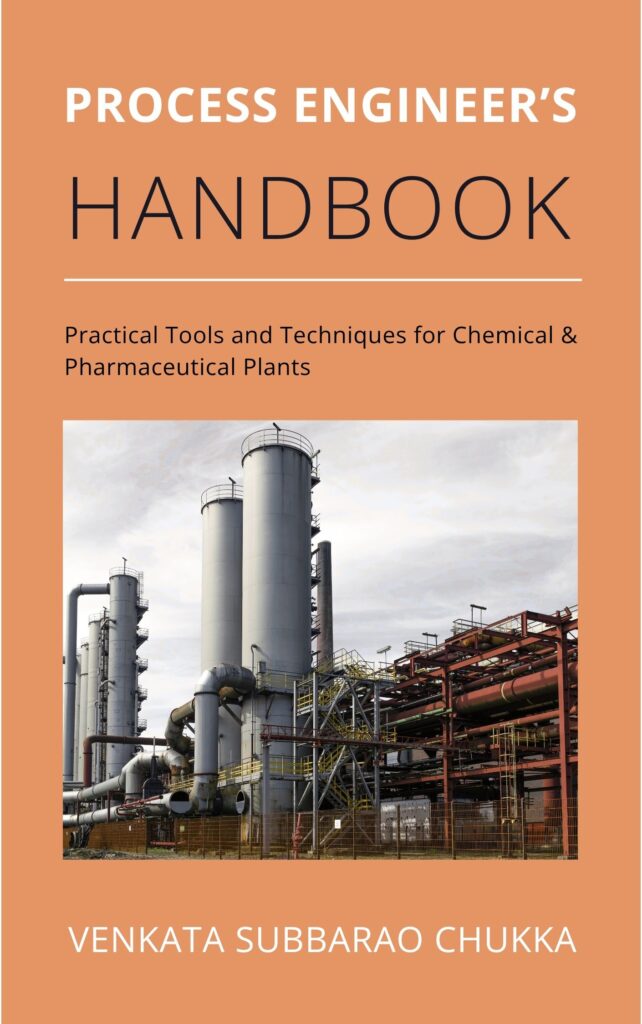
This handbook is designed as a practical and application-oriented resource for process engineers working in chemical, pharmaceutical, API, intermediates, specialty chemical, and manufacturing industries. It focuses on real-world engineering practices, operational problem-solving, process optimization, and practical plant-level decision-making.
Whether you are entering the industry for the first time or already working in manufacturing operations, this handbook provides clear, practical guidance that can help improve technical understanding, operational efficiency, and engineering confidence.
Understanding Modern Manufacturing Challenges
- Real-World Expectations from Process Engineers
- Challenges in Chemical and Pharmaceutical Plants
- The Need for Faster and Smarter Decision-Making
Why This Handbook Was Created
- Addressing the Industry Skill Gap
- From Classroom Learning to Plant-Level Problem Solving
- Practical Engineering for Real Manufacturing Environments
Key Features of the Handbook
- Equipment Sizing and Design Fundamentals
- Batch vs. Continuous Process Calculations
- Process Optimization Techniques
- Yield Improvement and Energy Efficiency
- Solvent Recovery and Utility Optimization
- Troubleshooting Common Plant Problems
- Scale-Up and Technology Transfer Support
- Operational Excellence and Continuous Improvement
Practical Applications in Manufacturing Plants
- Applications in API Manufacturing
- Applications in Formulations and Specialty Chemicals
- Supporting Production and Technical Services Teams
- Improving Throughput and Plant Productivity
Real-World Engineering Focus
- Industry-Oriented Engineering Approaches
- Case Studies from Chemical and Pharmaceutical Plants
- Step-by-Step Problem-Solving Techniques
- Practical Tools for Daily Plant Operations
Benefits for Different Professionals
- For Fresh Graduates and Students
- For Process Engineers and Production Teams
- For Technical Services and Operations Professionals
- For Plant Managers and Manufacturing Leaders
Building Stronger Engineering Capabilities
- Developing Practical Thinking Skills
- Improving Troubleshooting Confidence
- Supporting Better Technical Decisions
- Enhancing Manufacturing Efficiency
Final Conclusion
- The Future Role of Process Engineers
- Practical Knowledge as a Competitive Advantage
- Building Safer, Smarter, and More Efficient Plants
- A Handbook for Continuous Professional Growth