
What Is Biochar?
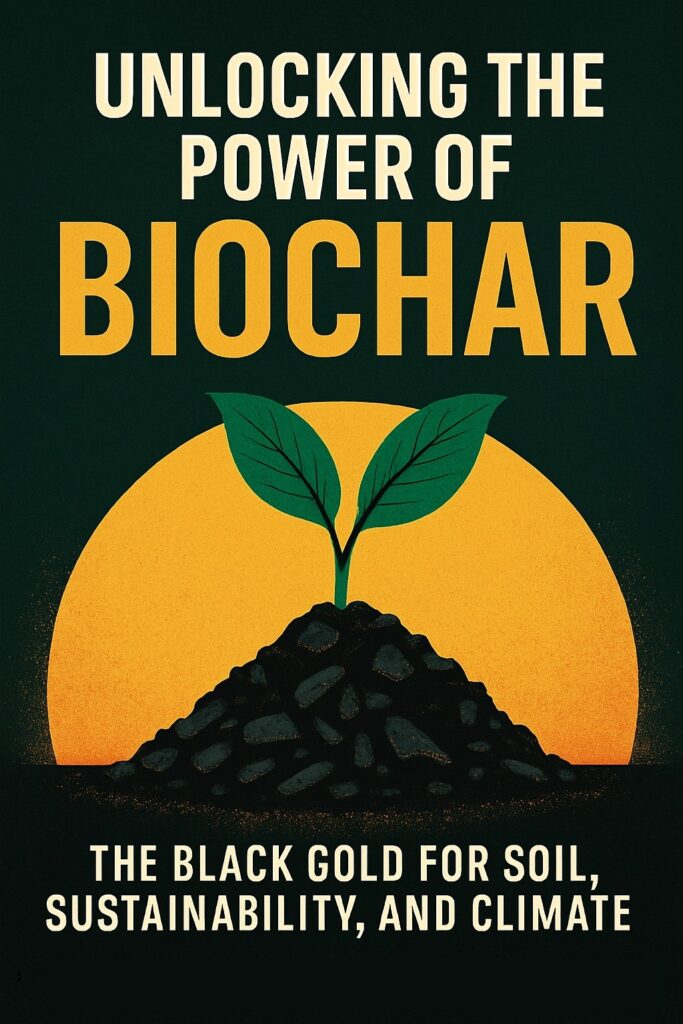
Biochar is a fine-grained, charcoal-like substance made from organic materials—such as crop waste, wood chips, or bamboo—through a process called pyrolysis (heating in the absence of oxygen). Unlike regular charcoal used for cooking,it is specially produced for soil enhancement and environmental benefits.
1. The Ancient Secret Rediscovered
It has been used for over 2,000 years. Biochar traces its roots back to the Amazon basin, where indigenous people created “Terra Preta” (dark earth) that remained fertile for centuries. Today, science confirms what ancient farmers knew: It boosts soil fertility and carbon retention.
2. How Biochar Works in the Soil
It is similar to a sponge, which absorbs nutrients, and a hotel, which provides a home for microbes.
- Improves water retention in sandy soils
- Enhances drainage in clay soils
- Holds nutrients like nitrogen and phosphorus
- Supports microbial growth essential for plant health
- Buffers pH and reduces soil acidity
These benefits make it an excellent solution for sustainable and organic farming.
3. Biochar’s Environmental Superpowers
It isn’t just good for soil—it’s great for the planet.
- Carbon Sequestration: Locks carbon in stable form for 100s to 1,000s of years, helping fight climate change.
- Waste Reduction: Turns agro-waste into a valuable resource.
- Methane & Nitrous Oxide Reduction: Helps lower greenhouse gases from soil.
- Water Purification: Can be used to filter heavy metals and contaminants.
4. How Is Biochar Made?
The production of biochar occurs via pyrolysis, a thermal process that heats organic matter from 300 to 700°C without oxygen. It can be produced in:
- Traditional kilns
- Modern biochar reactors
- Small-scale stoves (for farmers)
- Large pyrolysis plants
Bamboo, coconut husks, sawdust, and even invasive weeds can be excellent biochar feedstocks.
5. Modern Agriculture and Industry
From small farms to big agritech firms, it is now being used for:
- Soil regeneration in degraded lands
- Hydroponics and urban farming
- Animal bedding and feed additive
- Carbon credit projects
- Green construction materials
Governments and carbon-offset programs are also beginning to reward biochar use with incentives.
6. Is Biochar Right for You?
Whether you are:
- A farmer looking to increase yields organically
- An eco-conscious entrepreneur exploring sustainable products
- A researcher or NGO promoting regenerative agriculture
- Or even a home gardener hoping for greener growth
Biochar offers powerful results with a low environmental footprint.
7. Getting Started with Biochar
You can buy biochar from trusted sources or make it yourself. Start with:
- High-carbon feedstock (e.g., bamboo, wood chips)
- A low-emission kiln or drum
- Water for quenching
- Optional: activate biochar by mixing with compost or organic fertilizer before soil application.
8. How to Use Biochar Effectively
It works best when “charged” or “activated” before application:
- For a few days, let it soak in a solution of either compost tea or an organic fertilizer.
- Mix it with compost or manure to introduce beneficial microbes.
- Apply 1–10% by volume to your soil or garden beds
- Monitor growth and adjust rates as needed
Tip: Never use raw biochar directly in high quantities—it may absorb nutrients before releasing them.
Final Thoughts: Biochar Is More Than Just Soil Amendment
It’s a climate solution, soil enhancer, and waste reducer—all rolled into one. Embracing biochar today could mean a greener planet tomorrow.
Conclusion: Biochar—Small Granules, Big Impact
Biochar is a game-changer for agriculture, environment, and climate resilience. Whether you’re a home gardener, an organic farmer, or an eco-entrepreneur, incorporating biochar into your soil strategy can lead to healthier plants, reduced costs, and greater environmental responsibility.