
Introduction
Climate change was once viewed as a distant environmental concern. Today, it is recognized as one of the most urgent global challenges affecting ecosystems, economies, public health, and future generations. While the impacts of climate change—rising temperatures, extreme weather events, melting glaciers, and biodiversity loss—are undeniable, there is also a growing story of progress.
Climate change progress does not mean the problem is solved. It means the world is shifting from denial to responsibility, from awareness to action, and from isolated efforts to coordinated global responses. Governments, industries, scientists, communities, and individuals are increasingly working together to slow climate change and build resilience.
This article explores the key areas of progress, the challenges that remain, and why sustained action is critical for a sustainable future.
Growing Global Awareness and Policy Commitment
One of the most significant signs of climate change progress is the rise in global awareness and political commitment. Climate change is now central to international discussions, national policies, and corporate strategies.
Countries across the world have committed to reducing greenhouse gas emissions through international agreements and national climate action plans. Climate targets, net-zero goals, and emission reduction roadmaps are becoming standard elements of government policy.
This shift signals an important transition—from treating climate change as an environmental issue to recognizing it as a development, economic, and security issue.
Expansion of Renewable Energy and Clean Technologies
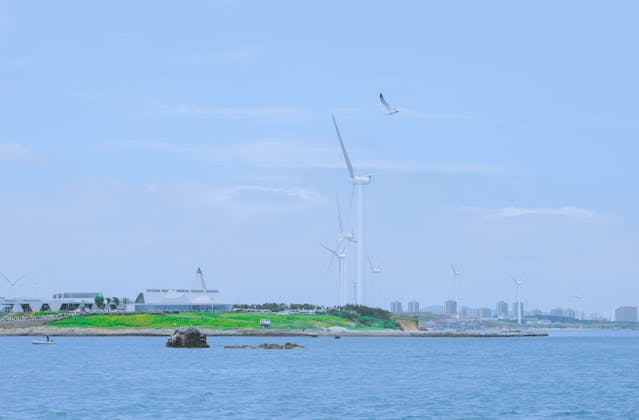
The rapid growth of renewable energy is one of the strongest indicators of climate progress. Solar, wind, hydro, and other clean energy sources are expanding at an unprecedented pace.
Key developments include:
- Declining costs of solar and wind power
- Increased investment in clean energy infrastructure
- Adoption of energy storage and smart grid technologies
As renewable energy becomes more affordable and accessible, many countries are reducing their dependence on fossil fuels. This transition plays a crucial role in lowering carbon emissions while supporting energy security and job creation.
Advances in Climate Science and Data Transparency
Scientific research has greatly improved our understanding of climate change and its impacts. Better climate models, satellite monitoring, and data-sharing platforms now provide accurate information on temperature trends, emission sources, and environmental risks.
This progress allows:
- Better climate forecasting and disaster preparedness
- Evidence-based policymaking
- Transparent monitoring of climate commitments
Reliable data strengthens accountability and helps governments and industries measure real progress instead of relying on assumptions.
Corporate Responsibility and ESG Integration
Businesses are increasingly becoming part of the climate solution. Many companies now integrate Environmental, Social, and Governance (ESG) principles into their operations.
Climate-related progress in the corporate sector includes:
- Carbon footprint measurement and reduction
- Sustainable supply chain management
- Investment in green technologies
- Transparent sustainability reporting
While challenges remain, corporate climate action is no longer optional—it is becoming a competitive and regulatory necessity.
Community-Led Climate Action and Grassroots Movements
Climate progress is not limited to governments and corporations. Local communities, NGOs, and citizen groups play a critical role in driving meaningful change.
Grassroots initiatives focus on:
- Climate education and awareness
- Local conservation and restoration projects
- Sustainable agriculture and water management
- Climate adaptation at the community level
These efforts ensure that climate action is inclusive and addresses the needs of vulnerable populations most affected by climate impacts.
Climate Adaptation and Resilience Building
While mitigation aims to reduce emissions, adaptation focuses on managing unavoidable climate impacts. Progress in climate adaptation is essential, especially for regions already experiencing climate stress.
Key areas of adaptation progress include:
- Climate-resilient infrastructure
- Improved disaster risk management
- Sustainable water and food systems
- Early warning systems for extreme weather events
Adaptation efforts help communities survive and thrive despite changing environmental conditions.
Challenges That Still Remain
Despite notable progress, climate change remains a complex and evolving challenge. Major obstacles include:
- Uneven progress across countries
- Financial and technological gaps in developing regions
- Continued reliance on fossil fuels in some sectors
- Slow implementation of climate policies
Progress must accelerate significantly to meet global climate goals and avoid irreversible damage.
Why Climate Change Progress Must Continue
Climate change progress is not a destination—it is a continuous process. Each step forward reduces risk, protects ecosystems, and safeguards future generations.
Sustained progress requires:
- Strong political leadership
- Long-term policy commitment
- Innovation and investment
- Public participation and accountability
Every action—global or local—contributes to the collective effort.
Conclusion
Climate change progress is real, measurable, and encouraging—but it is also fragile. The world has moved beyond debate and entered an era of action. Renewable energy expansion, stronger policies, scientific advancements, corporate responsibility, and community engagement demonstrate that change is possible.
The challenge now is to scale up, speed up, and stay committed.
Climate change is a shared responsibility. Progress depends not on a single solution, but on sustained collaboration across sectors, borders, and generations. The choices made today will determine the environmental legacy left for tomorrow.