
Introduction
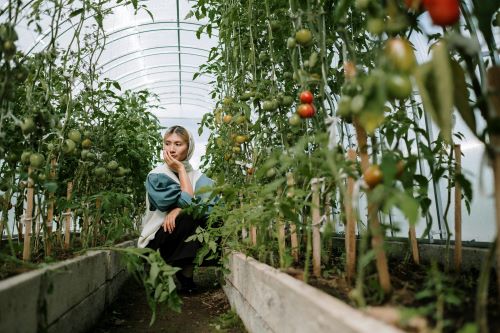
As consumers become increasingly conscious of their food choices and the environmental impact of conventional agriculture, organic farming has emerged as a sustainable and responsible alternative. But what exactly is organic farming, and why is it considered beneficial for both people and the planet?
This article explores the meaning, principles, practices, benefits, and challenges of organic farming—highlighting why it is more than just a trend. It is a transformative approach to agriculture that supports human health, environmental protection, and long-term sustainability.
Understanding
Organic farming is an agricultural system that emphasizes the use of natural processes, biodiversity, and ecological balance adapted to local conditions. It strictly avoids synthetic fertilizers, chemical pesticides, genetically modified organisms (GMOs), and artificial growth enhancers.
Instead, organic farming focuses on practices that:
- Improve soil fertility naturally
- Conserve water and natural resources
- Promote biodiversity
- Protect human and animal health
At its core, organic farming works in harmony with nature rather than against it. The goal is to create a self-sustaining agricultural system that produces nutritious food while preserving environmental health for future generations.
Core Principles :
1. Soil Health
Organic farming recognizes soil as a living ecosystem. Practices such as crop rotation, composting, green manuring, and cover cropping enhance soil structure, fertility, and water-holding capacity while reducing erosion.
2. Biodiversity
Organic farms cultivate a wide variety of crops and often integrate livestock. This diversity increases resilience against pests, diseases, climate variability, and market fluctuations while strengthening ecosystem stability.
3. Natural Pest Management
Instead of synthetic pesticides, organic farming relies on biological and mechanical methods such as beneficial insects, trap crops, crop diversity, and natural repellents to manage pests sustainably.
4. Animal Welfare
Organic livestock farming emphasizes humane treatment. Animals are raised in stress-free environments, allowed to express natural behaviors, provided organic feed, and are not given antibiotics or growth hormones routinely.
5. Sustainability and Resource Efficiency
Organic farming promotes responsible use of water, energy, and natural resources. It reduces pollution, encourages renewable inputs, and supports long-term ecological balance.
Key Practices:
Crop Rotation
Rotating crops seasonally improves nutrient cycling, breaks pest and disease cycles, and maintains soil fertility without chemical inputs.
Green Manuring and Cover Cropping
Cover crops such as legumes and grasses enrich the soil with organic matter, prevent erosion, suppress weeds, and enhance microbial activity.
Composting
Organic waste is recycled through composting to produce nutrient-rich organic manure that improves soil structure and supports beneficial microorganisms.
Biological Pest Control
Natural predators like ladybugs, spiders, birds, and beneficial microbes are used to control pests, maintaining ecological harmony without harmful chemicals.
Mulching
Organic mulches such as straw, leaves, or wood chips help retain soil moisture, suppress weeds, regulate soil temperature, and enrich soil as they decompose.
Use of Non-GMO Seeds
Organic farming strictly prohibits genetically modified seeds, helping preserve genetic diversity and seed purity.
Benefits:
Healthier Food
Organic produce is free from synthetic pesticides, herbicides, and GMOs. Studies indicate that organic fruits and vegetables often contain higher levels of antioxidants, vitamins, and minerals, supporting better health.
Environmental Protection
By avoiding chemical inputs, organic farming reduces soil and water pollution, protects wildlife, and preserves natural ecosystems.
Improved Soil Fertility
Organic practices enhance soil organic matter, microbial activity, and long-term fertility, leading to sustainable crop productivity.
Climate Change Resilience
It helps sequester carbon in soil, reduce greenhouse gas emissions, and improve resilience to extreme weather through diversified cropping systems.
Better Animal Welfare
Organic livestock systems prioritize animal health, natural diets, outdoor access, and ethical treatment.
Support for Local Economies
Organic farming often supports small and medium farmers, local markets, community-supported agriculture (CSA), and direct consumer relationships, strengthening rural economies.
Challenges :
Despite its many benefits, organic farming also faces challenges:
- Lower Initial Yields: Especially during the transition from conventional farming
- Higher Labor Requirements: Manual weed and pest control increase labor costs
- Certification Costs: Organic certification can be expensive and time-consuming
- Market Access: Premium markets may not be easily accessible to all farmers
However, many of these challenges reduce over time as soil health improves and markets expand.
The Future of Organic Farming
The future of organic farming lies in:
- Expanding farmer education and research
- Improving access to certification support
- Integrating technology with organic principles
- Encouraging supportive government policies
- Increasing consumer awareness and demand
With collective support from farmers, consumers, businesses, and policymakers, organic agriculture can play a key role in global food security and environmental conservation.
Conclusion
Organic farming represents a holistic approach to agriculture that prioritizes environmental health, animal welfare, and consumer safety. It goes beyond food production—it is a commitment to preserving the planet for future generations.
By choosing organic—whether as a farmer or a consumer—you contribute to a healthier ecosystem, safer food systems, and a more sustainable world.
Embracing organic farming is not just about changing how we grow food; it’s about changing our relationship with the Earth. Let’s nurture nature through organic practices and cultivate a future where agriculture thrives in harmony with the environment.